S
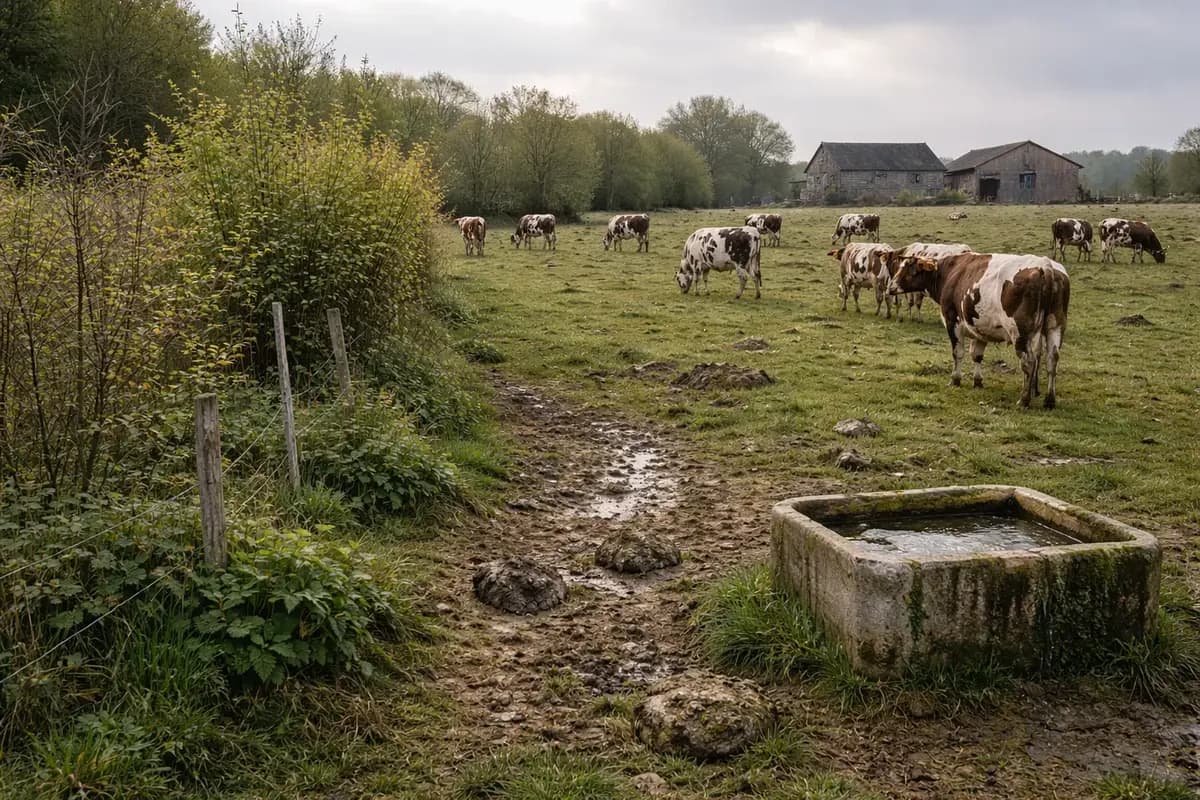
Input reductionAgricultural projectNouvelle AquitaineLabel Bas-Carbone · Labelled
Les Terres Régénérées de la Sachodière — Noirlieu
120 ha
Area
433 t
CO₂
Project presentation
This farming project on 120 hectares in the municipality of Noirlieu follows the SOBAC method: the farm reduces its use of mineral nitrogen fertilisers, whose manufacture and spreading emit greenhouse gases, including nitrous oxide. Labelled under the Label Bas-Carbone, it targets 433 tonnes of CO₂e of expected emission reductions over its duration: they will be recognised after verification.
Agricultural levers — method SOBAC (2)
Possible practices under this method to reduce mineral nitrogen fertilisers and the related emissions.
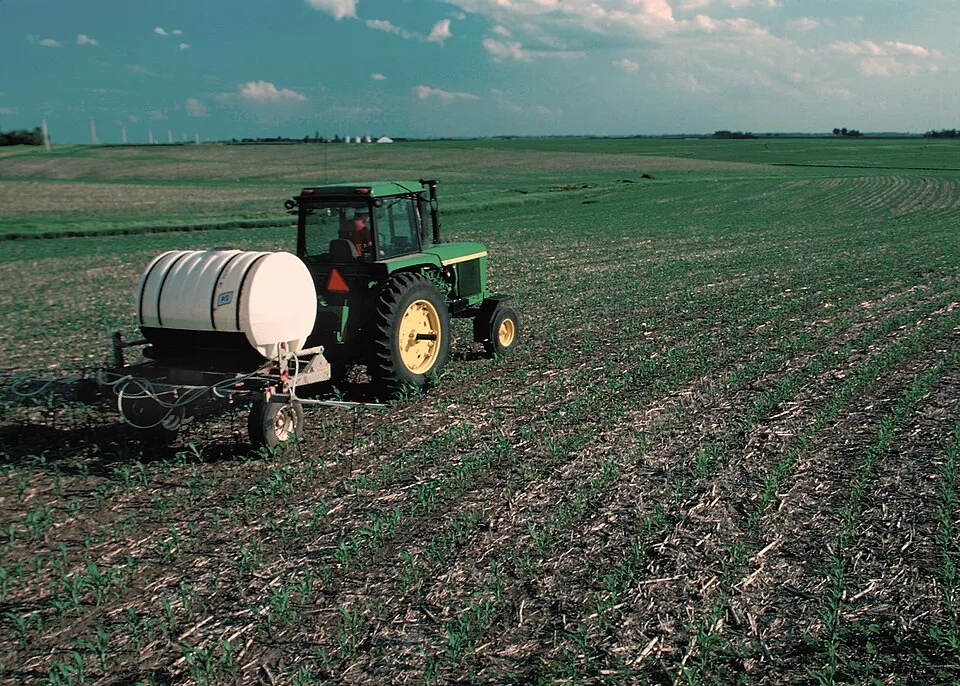
Optimisation de la fertilisation
Climate impact : FortL'optimisation de la fertilisation consiste à ajuster précisément les apports d'engrais (azote, phosphore, potassium) aux besoins réels des cultures. L'objectif est de réduire les excédents qui se transforment en protoxyde d'azote (N₂O), un gaz à effet de serre 265 fois plus puissant que le CO₂.
Micro-organismes du sol (SOBAC)
Climate impact : MoyenLa méthode SOBAC utilise des amendements à base de micro-organismes naturels (bactéries, champignons) pour améliorer les propriétés physiques et biologiques des sols. Ces micro-organismes accélèrent la décomposition de la matière organique et la formation d'humus stable.
Environmental & social impacts
Beyond its climate effect, each project acts on the environment and the local area. Here is the assessment of this project, dimension by dimension.
Climate
71%
This project targets 433 tonnes of CO₂e of expected emission reductions over its duration: they will be recognised after verification. The SOBAC method calculates them from the reduction in mineral nitrogen fertiliser compared with the reference fertilisation: less fertiliser manufactured and spread means less nitrous oxide (N₂O) and CO₂ emitted.
Biodiversity
Moderate impact69%
Less mineral nitrogen limits the nutrient enrichment of nearby habitats, which harms their wildlife and plants.
Water
High impact83%
Less mineral nitrogen means less risk of nitrate leaching into groundwater and rivers.
Soils
High impact91%
This project's tonnes come from reducing mineral nitrogen fertilisers; soil carbon storage is not counted in them.
Socio-economic
Significant impact80%
This project of 120 ha in Noirlieu supports a farm in reducing its mineral nitrogen fertilisers, which may also lower its purchases.
Sustainable Development Goals
The 17 SDGs are a global framework defined by the United Nations to build a sustainable future by 2030. This project directly contributes to 4 of them. Here's why.
2
Zero Hunger
End hunger, achieve food security and improved nutrition
Why this project: This project supports a farm in Noirlieu that keeps producing: it contributes to food production with lower greenhouse gas emissions.
6
Clean Water and Sanitation
Ensure availability and sustainable management of water
Why this project: By reducing mineral nitrogen inputs, this project protects the quality of groundwater and rivers.
12
Responsible Consumption and Production
Ensure sustainable consumption and production patterns
Why this project: This project reduces the use of mineral nitrogen fertilisers on 120 ha, whose manufacture and spreading emit greenhouse gases.
13
Climate Action
Take urgent action to combat climate change and its impacts
Why this project: This is the primary impact: this project targets 433 tonnes of CO₂e of expected emission reductions under the Label Bas-Carbone framework: they will be recognised after verification. Every ton avoided helps limit climate change.
Project timeline
Project notification
May 3, 2022The project owner notifies the ministry of the project.
File submission
April 17, 2023The complete file is submitted to the competent authority for review.
Labelling
January 19, 2024The project is validated and receives the Label Bas-Carbone.
Year 1 monitoring
January 2025Monitoring of the project actions — year 1/5.
Year 2 monitoring
January 2026Monitoring of the project actions — year 2/5.
Year 3 monitoring
January 2027Monitoring of the project actions — year 3/5.
Year 4 monitoring
January 2028Monitoring of the project actions — year 4/5.
Verification audit
July 2028An independent auditor verifies that the project carbon objectives have been met.
Year 5 monitoring
January 2029Monitoring of the project actions — year 5/5.
Recognition of reductions
January 2029After verification by an independent auditor, the ministry recognises the emission reductions, which are then definitively acquired.
Project journal
The main milestones of the project. Detailed monitoring is shared with the companies that fund it, in their private space.
- automated note
Labellisation
Le projet a obtenu le Label Bas-Carbone.
- automated note
Dépôt du dossier
Le dossier complet a été déposé pour instruction : description des parcelles et des leviers mobilisés, calcul des réductions attendues, engagement de suivi…
- automated note
Notification du projet
Le projet a été notifié au ministère de la Transition écologique, première étape du parcours de labellisation.
Location
Town
Noirlieu
Postal code
79300
Department
Deux Sèvres (79)
Region
Nouvelle Aquitaine
Support this project
Project status
Label Bas-Carbone methodSOBAC
StatusLabelled
ODD
261213
Impact score
About the Label Bas-Carbone
The only carbon contribution label officially recognised by the French state. Every project is audited by an independent body and listed in the public registry.
Stock CO2
Similar projects
Interested in this project?
Talk to a Stock CO2 expert
We help you select the project that best fits your CSR strategy.
Read also
Guides
Definitions