S
Carbon AgriAgricultural projectPays de la LoireLabel Bas-Carbone · Labelled
Les Prairies du Coteau — La Boissiere-des-Landes
208 ha
Area
807 t
CO₂
Project presentation
This livestock project on 208 hectares in the municipality of La Boissiere-des-Landes follows the Carbon Agri method: starting from a carbon assessment of the whole farm, the farmer implements an action plan to reduce greenhouse gas emissions from the herd and crops. Labelled under the Label Bas-Carbone, it targets 807 tonnes of CO₂e of expected emission reductions over its duration: they will be recognised after verification.
Agricultural levers for this project (4)
Practices chosen by the farmer in this project's action plan.

Amélioration génétique
Climate impact : MoyenLa sélection génétique permet de choisir des reproducteurs dont la descendance émettra moins de méthane, produira plus efficacement et vivra plus longtemps. Les index génétiques intègrent désormais l'empreinte environnementale.
Âge au vêlage et longévité
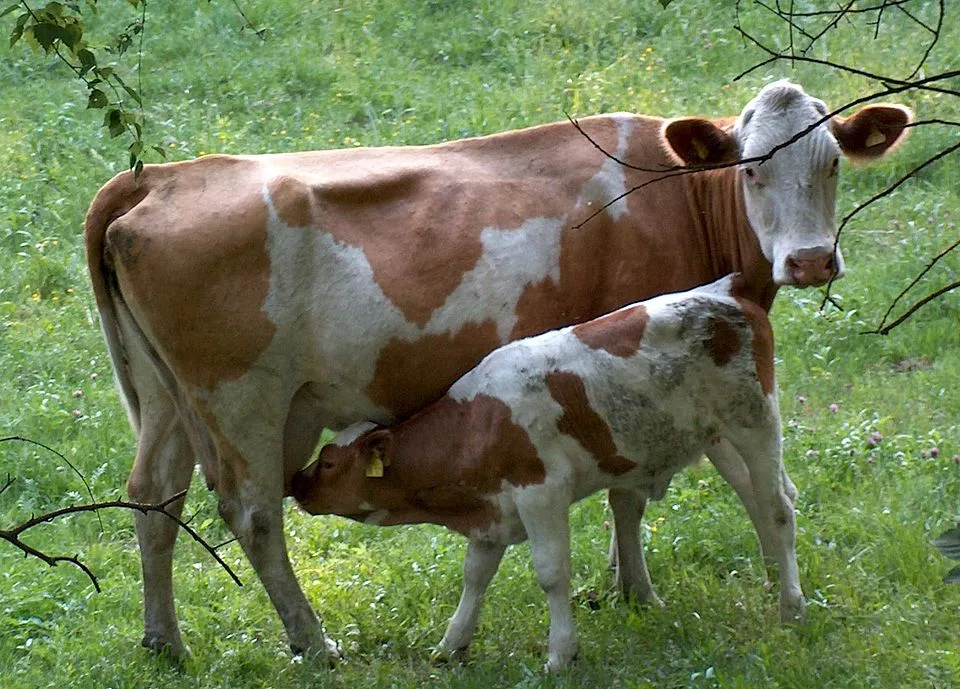
Climate impact : MoyenRéduire l'âge au premier vêlage (de 36 à 24-30 mois) et augmenter la longévité des vaches permet de réduire le nombre d'animaux improductifs dans le troupeau. Moins de génisses d'élevage signifie moins de méthane entérique et plus d'efficacité par litre de lait ou kg de viande produit.

Conduite sanitaire du troupeau
Climate impact : MoyenAméliorer la conduite sanitaire signifie prévenir les maladies plutôt que les soigner. Un animal en bonne santé produit plus efficacement, émet moins de méthane par unité produite et vit plus longtemps, réduisant les besoins de renouvellement du troupeau.
Qualité des fourrages
Climate impact : MoyenAméliorer la qualité des fourrages (meilleure valeur énergétique UFL, plus de protéines MAT) permet de réduire la quantité de concentrés achetés et de mieux valoriser les ressources de la ferme. Un fourrage récolté au bon stade nourrit mieux et réduit le gaspillage.
Environmental & social impacts
Beyond its climate effect, each project acts on the environment and the local area. Here is the assessment of this project, dimension by dimension.
Climate
73%
This project targets 807 tonnes of CO₂e of expected emission reductions over its duration: they will be recognised after verification. The Carbon Agri method calculates them for the whole farm, comparing its emissions before and after the action plan. Herd levers (genetics, age at first calving and cow longevity and herd health) reduce the share of unproductive animals and enteric methane emissions per unit produced. A better-suited diet (forage quality) reduces enteric methane emissions per unit produced.
Biodiversity
Significant impact65%
This project acts first on livestock emissions; its effects on biodiversity depend on farm practices, such as keeping grasslands and hedges.
Water
Significant impact79%
The project's effects on water depend on farm practices (fertilisation, manure management, grasslands).
Soils
Significant impact91%
This project's levers do not directly target soil carbon storage.
Socio-economic
Moderate impact84%
This project of 208 ha in La Boissiere-des-Landes supports a livestock farm in changing its practices, based on an assessment of the whole farm.
Sustainable Development Goals
The 17 SDGs are a global framework defined by the United Nations to build a sustainable future by 2030. This project directly contributes to 4 of them. Here's why.
2
Zero Hunger
End hunger, achieve food security and improved nutrition
Why this project: This project supports a livestock farm in La Boissiere-des-Landes that keeps producing: it contributes to food production with lower greenhouse gas emissions.
12
Responsible Consumption and Production
Ensure sustainable consumption and production patterns
Why this project: This project shifts a livestock farm's practices towards production with lower greenhouse gas emissions.
13
Climate Action
Take urgent action to combat climate change and its impacts
Why this project: This is the primary impact: this project targets 807 tonnes of CO₂e of expected emission reductions under the Label Bas-Carbone framework: they will be recognised after verification. Every ton avoided helps limit climate change.
15
Life on Land
Protect, restore and promote sustainable use of terrestrial ecosystems
Why this project: This project acts on livestock emissions; grasslands and hedges, where the farm has them, remain habitats that support life on land.
Project timeline
Project notification
July 10, 2022The project owner notifies the ministry of the project.
File submission
August 1, 2022The complete file is submitted to the competent authority for review.
Labelling
October 27, 2022The project is validated and receives the Label Bas-Carbone.
Year 1 monitoring
October 2023Monitoring of the project actions — year 1/5.
Year 2 monitoring
October 2024Monitoring of the project actions — year 2/5.
Year 3 monitoring
October 2025Monitoring of the project actions — year 3/5.
Year 4 monitoring
October 2026Monitoring of the project actions — year 4/5.
Verification audit
April 2027An independent auditor verifies that the project carbon objectives have been met.
Year 5 monitoring
October 2027Monitoring of the project actions — year 5/5.
Recognition of reductions
October 2027After verification by an independent auditor, the ministry recognises the emission reductions, which are then definitively acquired.
Project journal
The main milestones of the project. Detailed monitoring is shared with the companies that fund it, in their private space.
- automated note
Labellisation
Le projet a obtenu le Label Bas-Carbone.
- automated note
Dépôt du dossier
Le dossier complet a été déposé pour instruction : description des parcelles et des leviers mobilisés, calcul des réductions attendues, engagement de suivi…
- automated note
Notification du projet
Le projet a été notifié au ministère de la Transition écologique, première étape du parcours de labellisation.
Location
Town
La Boissiere-des-Landes
Postal code
85430
Department
Vendée (85)
Region
Pays de la Loire
Support this project
Project status
Label Bas-Carbone methodCARBON AGRI
StatusLabelled
ODD
2121315
Impact score
About the Label Bas-Carbone
The only carbon contribution label officially recognised by the French state. Every project is audited by an independent body and listed in the public registry.
Stock CO2
Similar projects


Interested in this project?
Talk to a Stock CO2 expert
We help you select the project that best fits your CSR strategy.
Read also
Guides
Definitions