S
Carbon AgriAgricultural projectPays de la LoireLabel Bas-Carbone · Labelled
Les Pâtures de la Rosée
268.7 ha
Area
1,131 t
CO₂
Project presentation
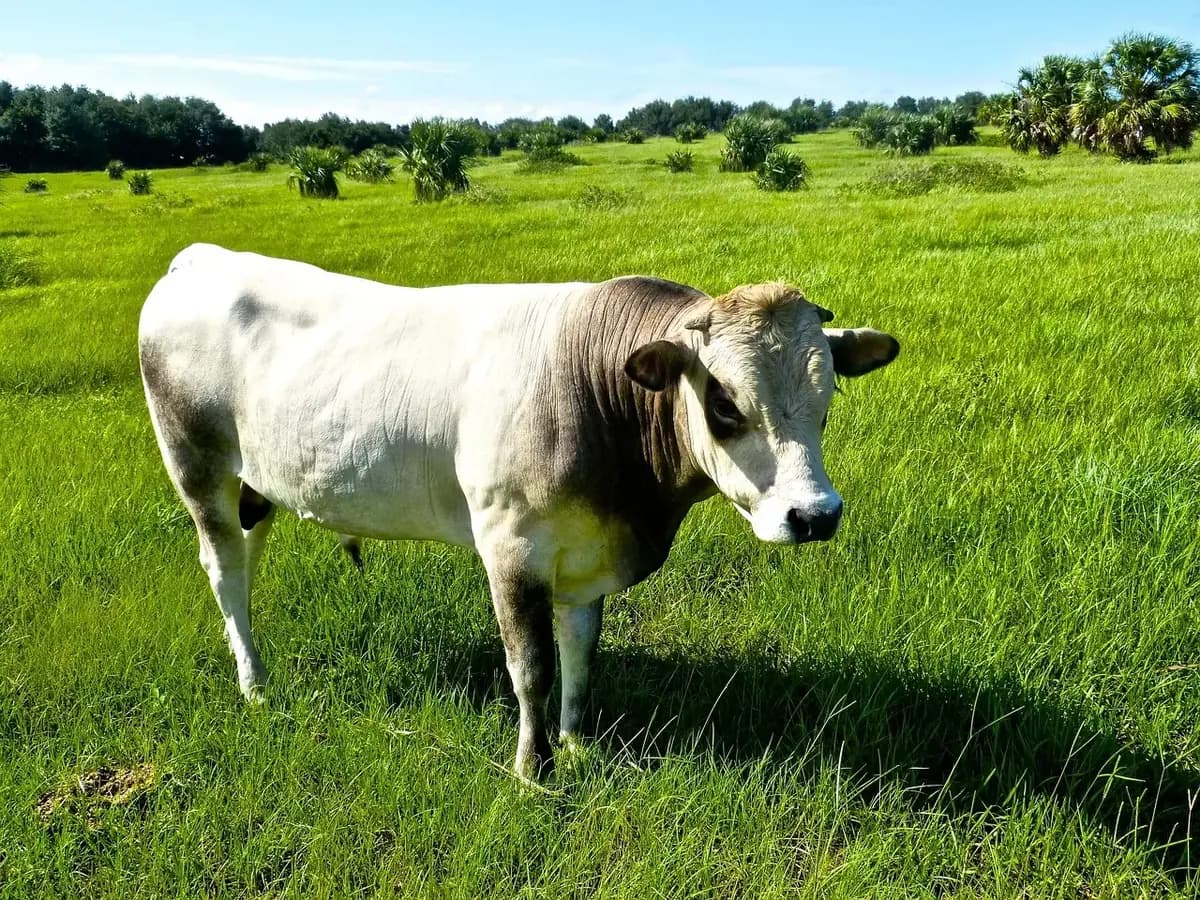
This livestock project on 268.7 hectares in the municipality of Segre-en-Anjou follows the Carbon Agri method: starting from a carbon assessment of the whole farm, the farmer implements an action plan to reduce greenhouse gas emissions from the herd and crops. Labelled under the Label Bas-Carbone, it targets 1,131 tonnes of CO₂e of expected emission reductions over its duration: they will be recognised after verification.
Agricultural levers for this project (4)
Practices chosen by the farmer in this project's action plan.
Optimisation de la fertilisation
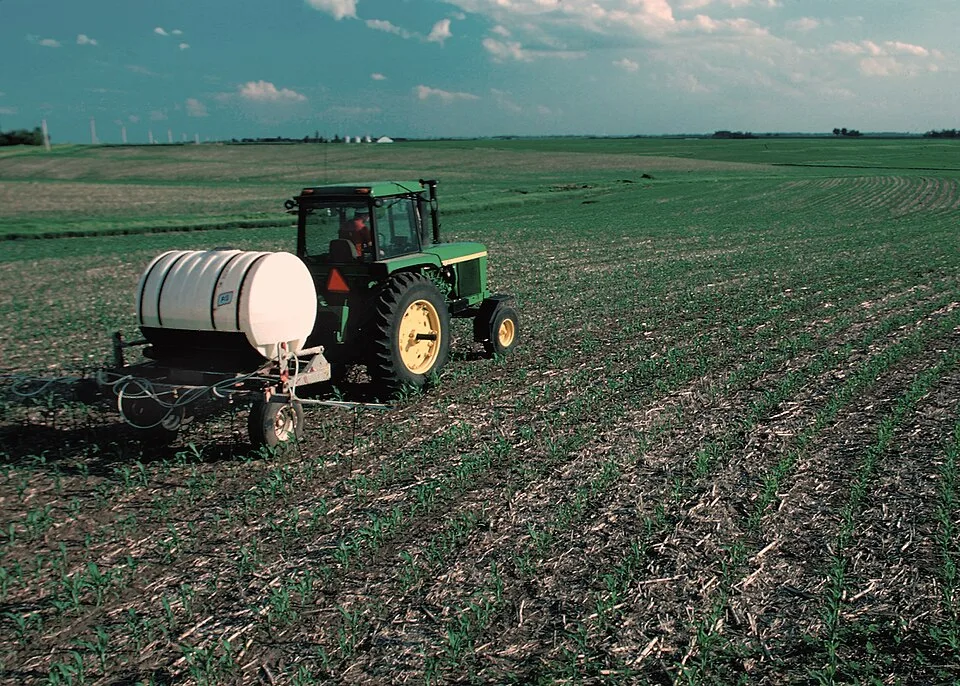
Climate impact : FortL'optimisation de la fertilisation consiste à ajuster précisément les apports d'engrais (azote, phosphore, potassium) aux besoins réels des cultures. L'objectif est de réduire les excédents qui se transforment en protoxyde d'azote (N₂O), un gaz à effet de serre 265 fois plus puissant que le CO₂.
Âge au vêlage et longévité
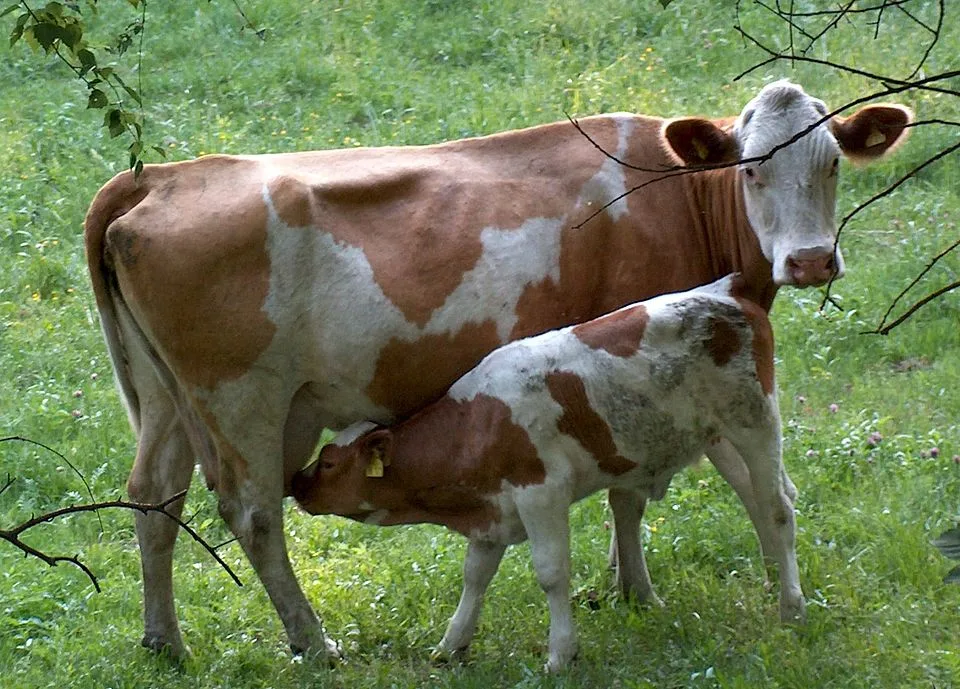
Climate impact : MoyenRéduire l'âge au premier vêlage (de 36 à 24-30 mois) et augmenter la longévité des vaches permet de réduire le nombre d'animaux improductifs dans le troupeau. Moins de génisses d'élevage signifie moins de méthane entérique et plus d'efficacité par litre de lait ou kg de viande produit.
Gestion du renouvellement
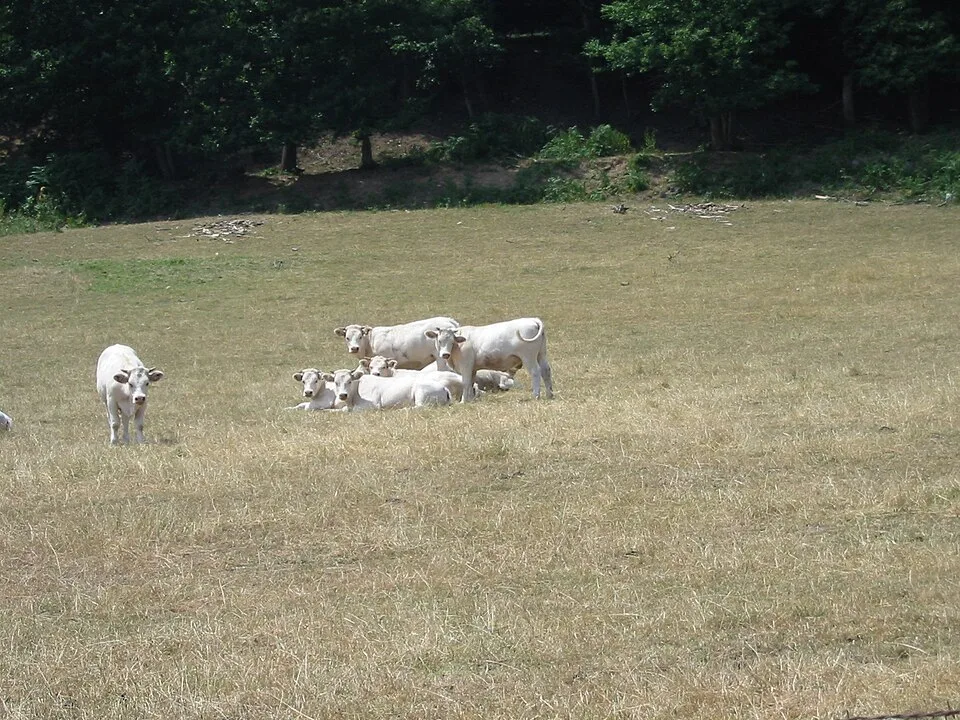
Climate impact : MoyenOptimiser la gestion du renouvellement du troupeau — réduire le nombre de génisses élevées, réformer les vaches improductives, augmenter la longévité — permet de produire autant avec moins d'animaux, réduisant les émissions de méthane du troupeau.
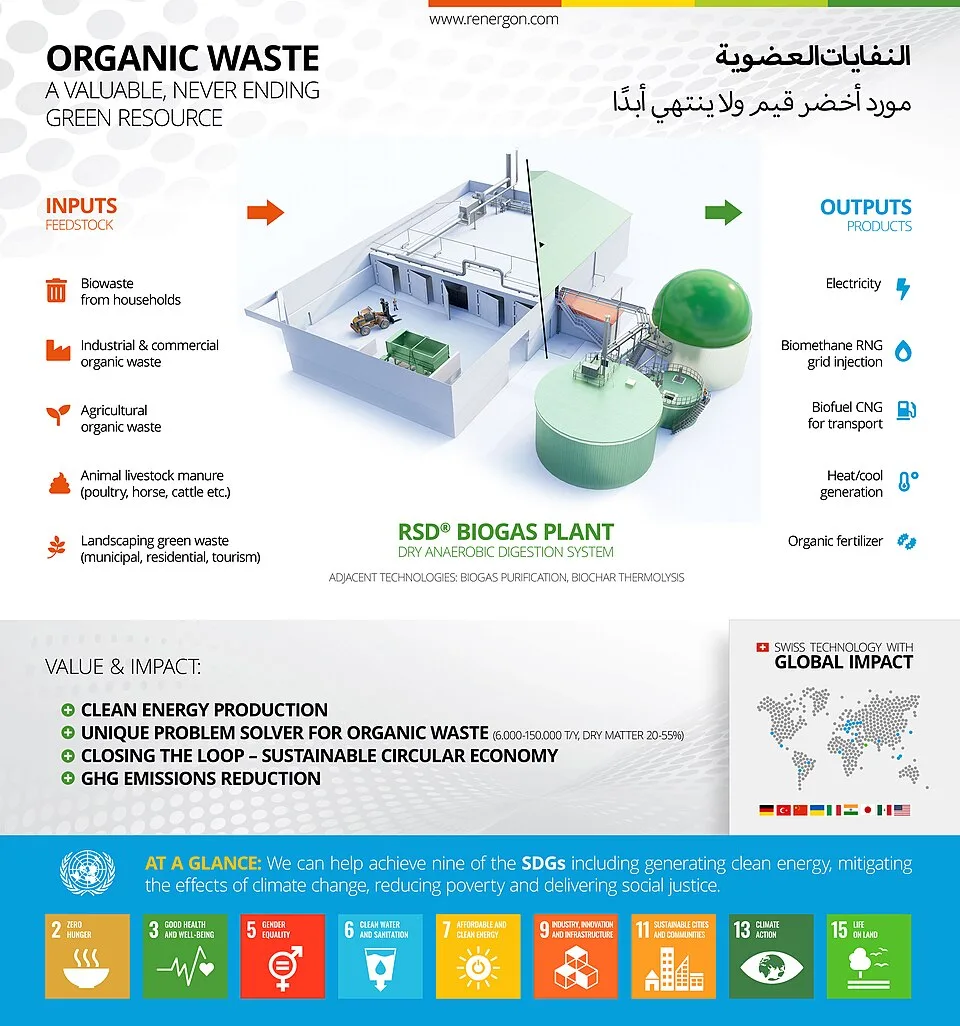
Méthanisation
Climate impact : Très fortLa méthanisation transforme les déjections animales et les déchets végétaux en biogaz (méthane utilisable comme énergie) et en digestat (fertilisant naturel). Elle capte le méthane qui serait émis dans l'atmosphère et le valorise en énergie renouvelable.
Environmental & social impacts
Beyond its climate effect, each project acts on the environment and the local area. Here is the assessment of this project, dimension by dimension.
Climate
73%
This project targets 1,131 tonnes of CO₂e of expected emission reductions over its duration: they will be recognised after verification. The Carbon Agri method calculates them for the whole farm, comparing its emissions before and after the action plan. Herd levers (age at first calving and cow longevity and herd replacement) reduce the share of unproductive animals and enteric methane emissions per unit produced. Work on nitrogen (nitrogen fertilisation) limits nitrous oxide (N₂O) emissions from fertilisers. Manure levers (anaerobic digestion) limit methane and nitrous oxide emissions from livestock manure.
Biodiversity
Significant impact65%
This project acts first on livestock emissions; its effects on biodiversity depend on farm practices, such as keeping grasslands and hedges.
Water
Significant impact79%
Better management of nitrogen and manure also limits the risk of nitrate leaching into water.
Soils
Significant impact91%
This project's levers do not directly target soil carbon storage.
Socio-economic
Moderate impact84%
This project of 268.7 ha in Segre-en-Anjou supports a livestock farm in changing its practices, based on an assessment of the whole farm.
Sustainable Development Goals
The 17 SDGs are a global framework defined by the United Nations to build a sustainable future by 2030. This project directly contributes to 4 of them. Here's why.
2
Zero Hunger
End hunger, achieve food security and improved nutrition
Why this project: This project supports a livestock farm in Segre-en-Anjou that keeps producing: it contributes to food production with lower greenhouse gas emissions.
12
Responsible Consumption and Production
Ensure sustainable consumption and production patterns
Why this project: This project shifts a livestock farm's practices towards production with lower greenhouse gas emissions.
13
Climate Action
Take urgent action to combat climate change and its impacts
Why this project: This is the primary impact: this project targets 1,131 tonnes of CO₂e of expected emission reductions under the Label Bas-Carbone framework: they will be recognised after verification. Every ton avoided helps limit climate change.
15
Life on Land
Protect, restore and promote sustainable use of terrestrial ecosystems
Why this project: This project acts on livestock emissions; grasslands and hedges, where the farm has them, remain habitats that support life on land.
Project timeline
Project notification
July 10, 2022The project owner notifies the ministry of the project.
File submission
August 12, 2022The complete file is submitted to the competent authority for review.
Labelling
November 9, 2022The project is validated and receives the Label Bas-Carbone.
Year 1 monitoring
November 2023Monitoring of the project actions — year 1/5.
Year 2 monitoring
November 2024Monitoring of the project actions — year 2/5.
Year 3 monitoring
November 2025Monitoring of the project actions — year 3/5.
Year 4 monitoring
November 2026Monitoring of the project actions — year 4/5.
Verification audit
May 2027An independent auditor verifies that the project carbon objectives have been met.
Year 5 monitoring
November 2027Monitoring of the project actions — year 5/5.
Recognition of reductions
November 2027After verification by an independent auditor, the ministry recognises the emission reductions, which are then definitively acquired.
Location
Town
Segre-en-Anjou
Postal code
49 500
Department
Maine et Loire (49)
Region
Pays de la Loire
Support this project
Project status
Label Bas-Carbone methodCARBON AGRI
StatusLabelled
ODD
2121315
Impact score
About the Label Bas-Carbone
The only carbon contribution label officially recognised by the French state. Every project is audited by an independent body and listed in the public registry.
Stock CO2
Similar projects


Interested in this project?
Talk to a Stock CO2 expert
We help you select the project that best fits your CSR strategy.
Read also
Guides
Definitions