S
Large cropsAgricultural projectCentre Val de LoireLabel Bas-Carbone · Labelled
Les Belles Cultures du Bois — Villeneuve-sur-Conie
168.08 ha
Area
1,201 t
CO₂
Project presentation
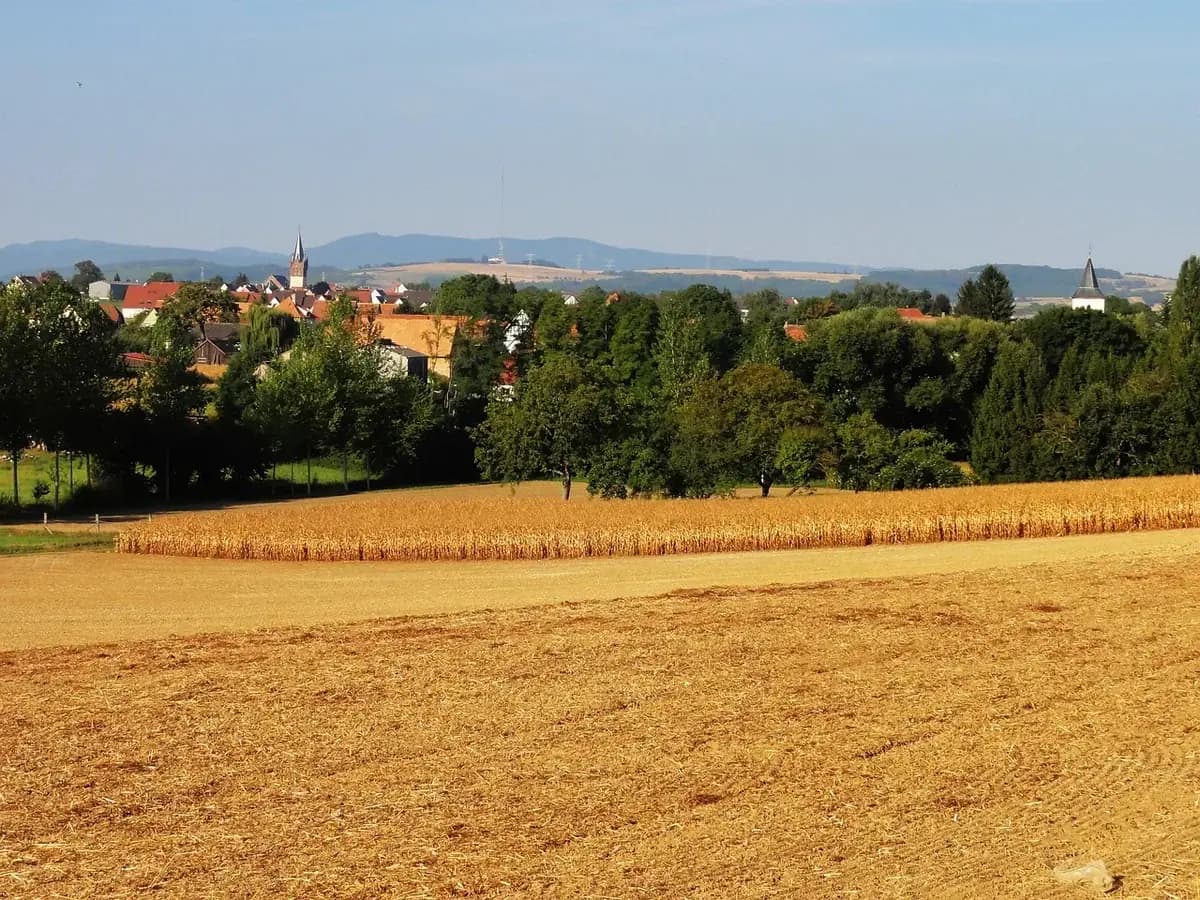
This agricultural project on 168.08 hectares in the municipality of VILLENEUVE-SUR-CONIE implements responsible practices designed to reduce greenhouse gas emissions and increase carbon storage in soils, with 1,201 tons of CO₂ of expected emission reductions over its lifetime. Labelled under the GRANDES CULTURES method of the Label Bas-Carbone, it promotes more resilient and sustainable agricultural ecosystems.
Agricultural levers for this project (3)
Specific practices implemented by the farmer to reduce emissions and increase carbon storage.
🌿
Couverts végétaux et biomasse
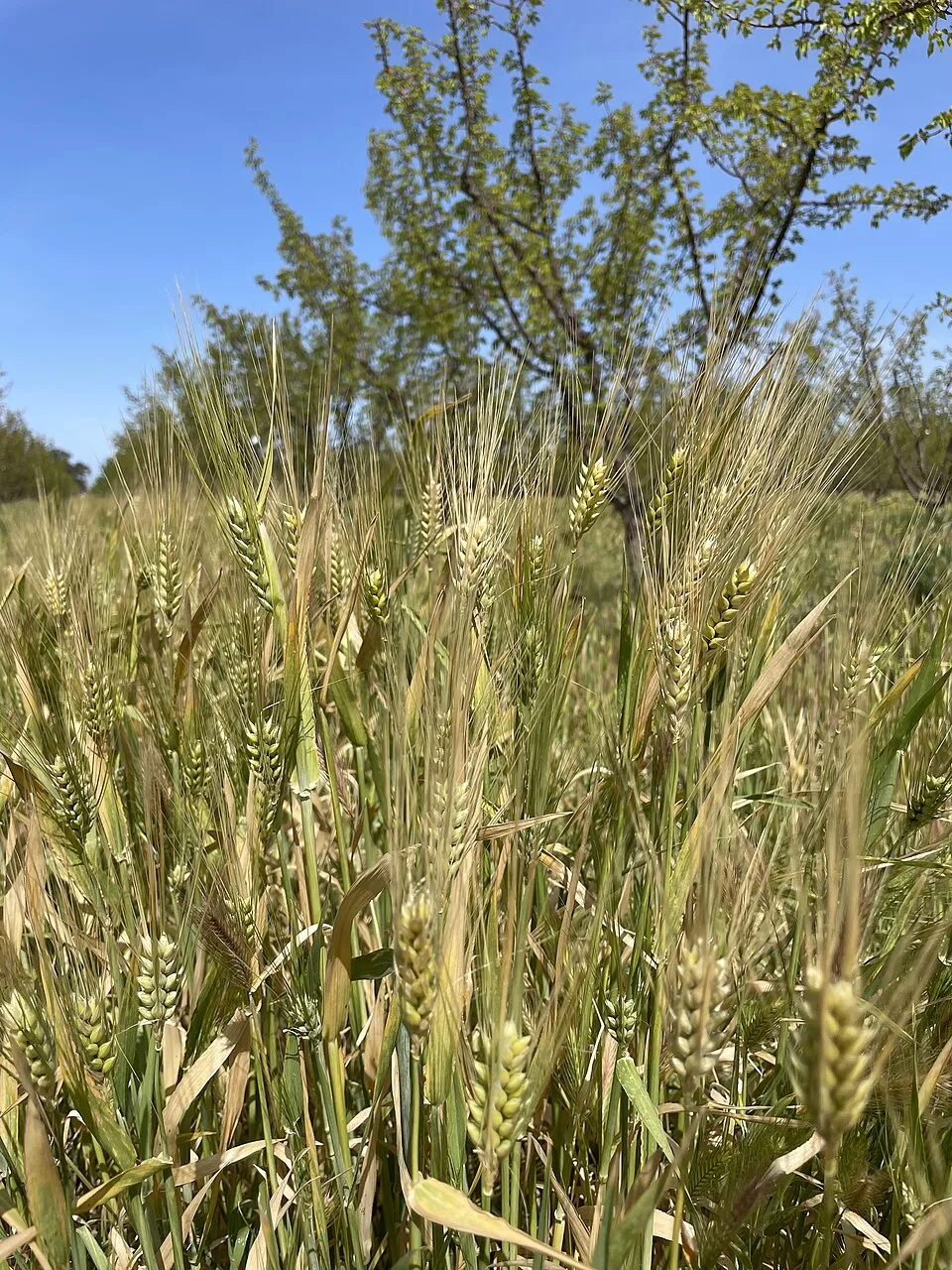
Fort — stockage direct de 0.5 à 1.5 tCO₂/ha/an selon la biomasse produiteLes couverts végétaux sont des plantes semées entre deux cultures principales pour ne jamais laisser le sol nu. Ils capturent le CO₂ atmosphérique par photosynthèse et le stockent dans le sol sous forme de matière organique quand ils sont détruits. Ils réduisent aussi l'érosion et améliorent la structure du sol.
Did you know?
Le saviez-vous ? Un couvert de moutarde peut produire 3 tonnes de biomasse en seulement 2 mois — c'est autant de carbone capté que ce que rejette une voiture sur 10 000 km.
🧪
Optimisation de la fertilisation
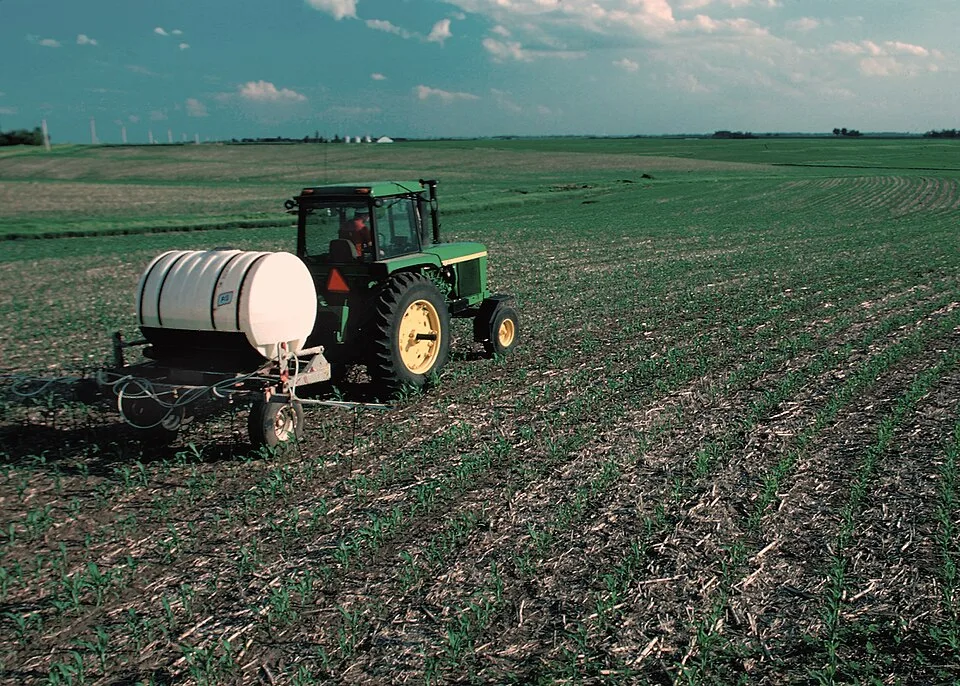
Fort — la fertilisation azotée représente 40 à 60 % des émissions GES en grandes culturesL'optimisation de la fertilisation consiste à ajuster précisément les apports d'engrais (azote, phosphore, potassium) aux besoins réels des cultures. L'objectif est de réduire les excédents qui se transforment en protoxyde d'azote (N₂O), un gaz à effet de serre 265 fois plus puissant que le CO₂.
Did you know?
Le saviez-vous ? La fabrication d'une tonne d'engrais azoté consomme autant d'énergie que 1,5 tonne de pétrole. Réduire les engrais, c'est aussi économiser de l'énergie fossile.
📡
Agriculture de précision
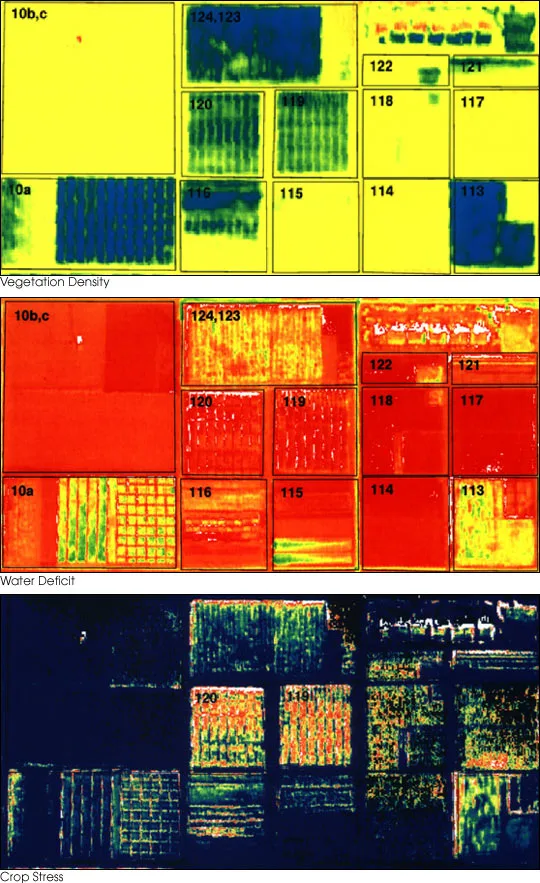
Moyen à fort — réduction de 10 à 30 % des émissions liées à la fertilisationL'agriculture de précision utilise la technologie (GPS, capteurs, drones, cartographie satellite) pour adapter les pratiques parcelle par parcelle, voire mètre par mètre. Elle permet de n'appliquer des intrants que là où la plante en a vraiment besoin, au bon moment.
Did you know?
Le saviez-vous ? Grâce au GPS et aux capteurs, un tracteur moderne peut moduler ses apports d'engrais mètre par mètre, avec une précision de 2 cm — mieux qu'un chirurgien.
Environmental & social impacts
Beyond carbon sequestration, each project generates measurable positive impacts on the environment and local communities. Here is the detailed assessment of this project.
🌍Climate
69%
This project is expected to sequester 7.1 tCO₂/ha over its lifetime (expected reductions, recognised after verification). Carbon is captured in biomass (trunks, branches, roots) and soils. This is the project's primary impact: contributing to climate change mitigation by removing CO₂ from the atmosphere.
Biodiversity
Moderate impact62%
This project creates a rich habitat for wildlife. The ecological corridors formed allow species to circulate, promoting pollination and natural biological pest control.
Water
Significant impact83%
Over 168.08 ha, the vegetation cover acts as a natural filter. Roots promote water infiltration into soils, reduce runoff and erosion, and enable groundwater recharge. Downstream water quality is directly improved.
Soils
High impact91%
The root system structures the soil in depth. Litter (dead leaves, twigs) enriches organic matter, feeds soil microorganisms and increases water retention capacity. A living, fertile soil is the foundation of a resilient ecosystem.
Socio-economic
Significant impact76%
This project of 168.08 ha in VILLENEUVE-SUR-CONIE relies on field work for its implementation, maintenance and monitoring, and helps enhance the territory and its natural heritage. It strengthens the link between rural communities and their environment, contributing to the ecological transition.
Sustainable Development Goals
The 17 SDGs are a global framework defined by the United Nations to build a sustainable future by 2030. This project directly contributes to 5 of them. Here's why.
2
Zero Hunger
End hunger, achieve food security and improved nutrition
Why this project: With 168.08 ha of sustainable farming practices in VILLENEUVE-SUR-CONIE, this project improves long-term soil productivity, secures food yields and strengthens farm resilience against climate risks — directly contributing to local food security.
6
Clean Water and Sanitation
Ensure availability and sustainable management of water
Why this project: The vegetation cover on 168.08 ha naturally filters runoff water and promotes groundwater recharge. By reducing erosion and nutrient leaching, this project improves water quality available for local uses.
12
Responsible Consumption and Production
Ensure sustainable consumption and production patterns
Why this project: This project transforms farming practices on 168.08 ha towards more responsible production: reduced chemical inputs, soil cover, crop diversification.
13
Climate Action
Take urgent action to combat climate change and its impacts
Why this project: This is the primary impact: this project aims to sequester 1,201 tons of CO₂ over its lifetime under the Label Bas-Carbone framework (expected reductions, recognised after verification). Every ton removed from the atmosphere contributes to fighting climate change.
15
Life on Land
Protect, restore and promote sustainable use of terrestrial ecosystems
Why this project: By reintroducing soil-friendly practices (cover crops, hedges, reduced tillage), this project restores terrestrial life on 168.08 ha.
Project timeline
Project notification
September 30, 2022The project owner submits their application to the ministry.
File submission
August 25, 2023The complete file is submitted to the competent authority for review.
Labelling
October 13, 2023The project is validated and receives the official Low-Carbon Label.
Year 1 monitoring
October 2024Project performance indicators check — year 1/5.
Year 2 monitoring
October 2025Project performance indicators check — year 2/5.
Year 3 monitoring
October 2026Project performance indicators check — year 3/5.
Year 4 monitoring
October 2027Project performance indicators check — year 4/5.
Year 5 monitoring
October 2028Project performance indicators check — year 5/5.
Verification audit
April 2028An independent auditor verifies on site that the project carbon objectives have been met.
Recognition of reductions
October 2028After verification by an independent auditor, the ministry recognises the emission reductions, which are then definitively acquired.
Project journal
The main milestones of the project. Detailed monitoring is shared with the companies that fund it, in their private space.
- automated note
Labellisation
Le projet a obtenu le Label Bas-Carbone.
- automated note
Dépôt du dossier
Le dossier complet a été déposé pour instruction : description des parcelles et des leviers mobilisés, calcul des réductions attendues, engagement de suivi…
- automated note
Notification du projet
Le projet a été notifié au ministère de la Transition écologique, première étape du parcours de labellisation.
📍 Location
Town
VILLENEUVE-SUR-CONIE
Postal code
45 310
Department
Loiret (45)
Region
Centre Val de Loire
Label Bas-Carbone method · Large crops
Transition to low-carbon farming practices: cover crops, reduced tillage, legumes, fine-tuned nitrogen fertilisation. The method leverages every tool available across the farm.
The Label Bas-Carbone is the official framework of the French Ministry of Ecological Transition for emission reduction projects carried out in France. A project is labelled on the basis of its application, following a method approved by the ministry. Its emission reductions are then verified by an independent auditor before being recognised by the ministry.
How it works:
1. The project owner submits a file describing the reference scenario (without project) and the project scenario.
2. The difference between the two scenarios gives the net emission reductions, expressed in tons of CO₂ equivalent.
3. An independent auditor verifies the data in the field and validates the calculations.
4. The ministry issues the Low-Carbon Label and carbon credits are issued.
5. The project is monitored for 5 years with periodic verifications.
Support this project
Project status
Label Bas-Carbone methodGRANDES CULTURES
StatusLabelled
ODD
26121315
Impact score
About the Label Bas-Carbone
The only carbon contribution label officially recognised by the French state. Every project is audited by an independent body and listed in the public registry.
Stock CO2
Similar projects


Interested in this project?
Talk to a Stock CO2 expert
We help you select the project that best fits your CSR strategy.
Read also
Guides
Definitions