S
← All companies LNB
LNB
LNBSportsLabel Bas-Carbone
Ligue Nationale de Basket
Ligue Nationale de Basket supports carbon offset projects with Stock CO2
1
project supported
4,820 t
tCO₂ contributed
23.08 ha
funded area
28,854
trees funded
The commitment
The French National Basketball League is proud to support a carbon offset project in the Landes.
« The French National Basketball League (LNB) is proud to support a carbon offset project in the Landes. »
1 supported project
Our projects across France
Concrete carbon sequestration actions, rooted in French territories
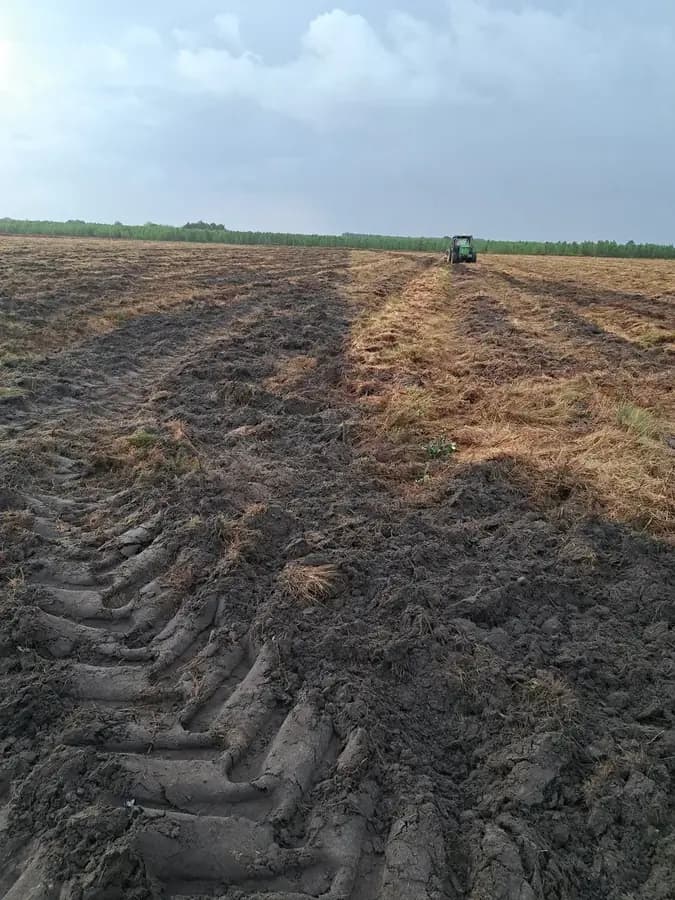
ReforestationNouvelle Aquitaine
Le bois de Miou
Laluque (40), Landes
23.08 ha
area
4,820 t
CO₂
28,854
seedlings planned in the project file
208.8
tCO₂/ha
Project presentation
Le bois de Miou is a reforestation project located in Nouvelle Aquitaine, municipality of Laluque (Landes). Labelled under the Label Bas-Carbone by the Ministry of Ecological Transition using the "REBOISEMENT" method, this project covers 23.08 hectares.
The carbon sequestration potential is estimated at 4,820 tonnes of CO₂ over the project's lifetime, an intensity of 208.8 tCO₂ per hectare.
The project file plans 28,854 seedlings of 1 different species, i.e. 1,250 seedlings per hectare. This species diversity strengthens the ecosystem's resilience to climate risks and promotes local biodiversity.
Environmental & social impacts
Beyond carbon sequestration, each project generates measurable positive impacts on the environment and local communities.
Climate
91%
This project sequesters 208.8 tCO₂/ha over its lifetime. Carbon is captured in biomass and soils. This is the primary impact: contributing to climate change mitigation.
Biodiversity
Moderate impact65%
With 1 different species (low diversity), this project creates a rich habitat for wildlife. Ecological corridors promote pollination and biological control.
Water
High impact88%
Over 23.08 ha, vegetation filters water, reduces runoff and erosion, and promotes groundwater recharge.
Soils
Significant impact79%
With 1250 seedlings planned per hectare, the root system structures the soil. Litter enriches organic matter and increases water retention.
Socio-economic
High impact90%
This 23.08 ha project in Laluque relies on field work for its implementation and maintenance, and contributes to territory enhancement and the ecological transition.
Global score
83%
Sustainable Development Goals
This project directly contributes to 5 UN SDGs.
6
Clean Water and Sanitation
Ensure availability and sustainable management of water
Why this project: Vegetation cover on 23.08 ha filters runoff and promotes groundwater recharge.
8
Decent Work and Economic Growth
Promote sustained, inclusive and sustainable economic growth
Why this project: This project contributes to this goal through its carbon sequestration and local ecosystem strengthening.
12
Responsible Consumption and Production
Ensure sustainable consumption and production patterns
Why this project: Sustainable forest management of 23.08 ha ensures responsible wood production.
13
Climate Action
Take urgent action to combat climate change and its impacts
Why this project: Primary impact: this project sequesters 4,820 tons of CO₂, under the Label Bas-Carbone framework.
15
Life on Land
Protect, restore and promote sustainable use of terrestrial ecosystems
Why this project: This 23.08 ha project recreates a complete forest ecosystem.
Carbon data
CO₂ contributed by Ligue Nationale de Basket4,820 tCO₂
Funded area23.08 ha
Funded seedlings28,854 seedlings
Density planned in the project file1,250 seedlings/ha
Method: REBOISEMENT — Status: labellisé
Location
Municipality
Laluque
Postal code
40465
Department
Landes (40)
Region
Nouvelle Aquitaine
Project timeline
Project notification
The project owner submits their application to the ministry.
Field audit
An independent auditor verifies the project data on site.
Labelling
The project is validated and receives the official Low-Carbon Label.
Monitoring
Regular monitoring of project progress and carbon indicators.
Credit certification
Emission reductions are verified and carbon credits are issued.
Method · REBOISEMENT
The Low-Carbon Label is an official certification framework from the French Ministry of Ecological Transition. It guarantees that emission reductions are real, measurable, verifiable and additional.
How it works:
1. The project owner submits a file describing the reference and project scenarios.
2. The difference gives net emission reductions in CO₂ equivalent.
3. An independent auditor verifies the data in the field.
4. The ministry issues the Label and carbon credits are issued.
5. The project is monitored with periodic verifications.
Planted species (1)
Species diversity strengthens forest resilience against diseases and climate change.
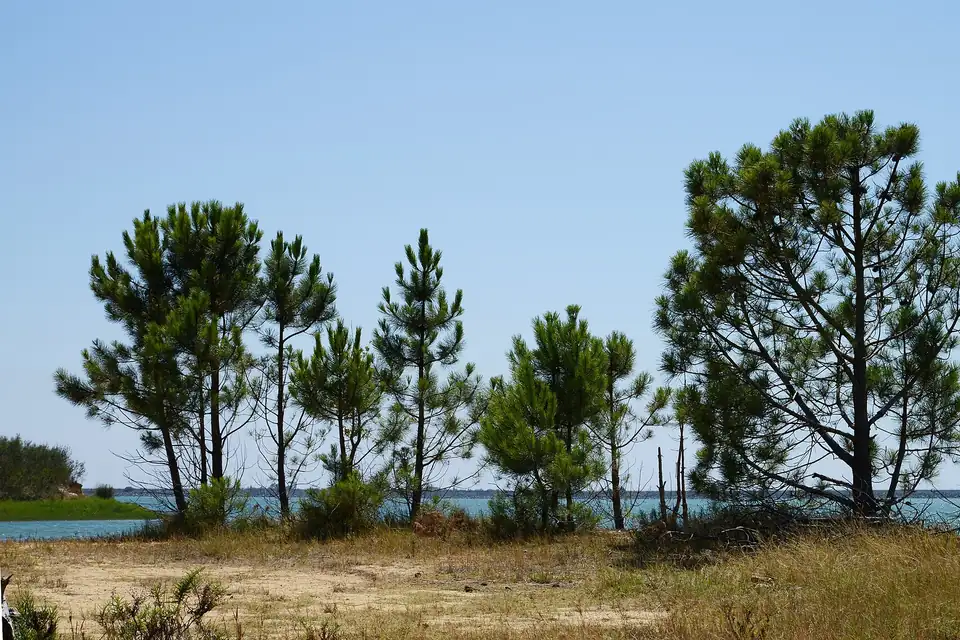
Pin maritime
Pinus pinaster · Pinaceae
Espèce emblématique du massif landais, il peut atteindre 30 m. Son bois est utilisé en papeterie et construction. Il a été massivement planté au XIXe siècle pour fixer les dunes.
Density planned in the project file: 1,250 seedlings/ha
Project summary
TypeReforestation
MethodREBOISEMENT
Statuslabellisé
RegionNouvelle Aquitaine
ODD
68121315
Global score
83%
Why Stock CO2?
Secured contribution
The only solution offering trust, insurance and safety margins.
Label Bas-Carbone
Official French state certification, credits on the national registry.
Monitoring & reports
Online dashboard, personalized impact reports and official certificate.
This page is offered by Stock CO2 to its partners to showcase their climate commitment.
Your company too? Contact us →You too?
Commit your company with Stock CO2
Let's discuss your CSR challenges and carbon contribution goals.